Secondary shredders, also known as fine shredders, operate after primary shredding and material separation to deliver controlled, uniform particle sizes for RDF, SRF, recycling, and waste-to-energy applications. They refine pre-shredded material into consistent fuel fractions, improving calorific value, handling efficiency, and downstream process stability.
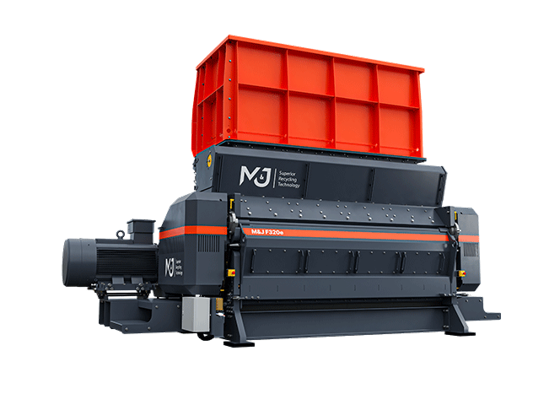


Primary shredders (pre-shredders) form the first stage of industrial waste processing, designed to handle large, bulky, and difficult materials. Engineered for high-torque, heavy-duty operation, they ensure efficient size reduction and reliable feed preparation for downstream sorting, RDF production, and waste-to-energy processes.
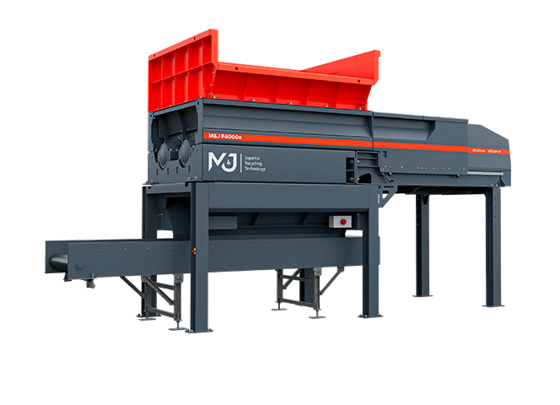
PH1 Ship Loading & Unloading Systems are engineered for the efficient transfer of bulk materials between marine vessels and port, storage, and processing facilities. Designed for high-capacity and continuous operation, the systems enable rapid vessel loading and unloading with controlled material flow, reduced dust emissions, and seamless integration with conveyors, silos, transfer towers, and other terminal infrastructure. Each system is custom-engineered to suit vessel configuration, material characteristics, berth layout, and required throughput.

PH1 Additive Blending & Mixing Systems are engineered to accurately proportion and homogenize multiple bulk materials, ensuring a consistent and uniform final product. Designed for continuous industrial operation, the system enhances process efficiency, improves product quality, and enables precise control over additive dosing across a wide range of material processing applications.


PH1’s Twin DoseMaster™ Feeder is a compact extraction and dosing system designed to deliver accurate and stable alternative fuel feeding directly at the point of injection. Featuring dual independent feed channels, the system provides enhanced process flexibility, precise fuel metering, and reliable handling of a wide range of alternative fuels.
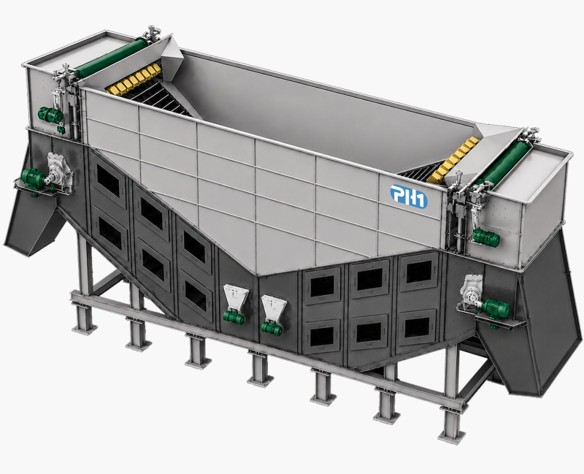
PH1’s DoseMaster™ Extractor is a heavy-duty extraction system engineered for the controlled discharge of alternative fuels and bulk materials from storage hoppers and bunkers. Designed to handle challenging materials with varying flow characteristics, the system ensures consistent material withdrawal, stable process feeding, and reliable operation in demanding industrial environments.
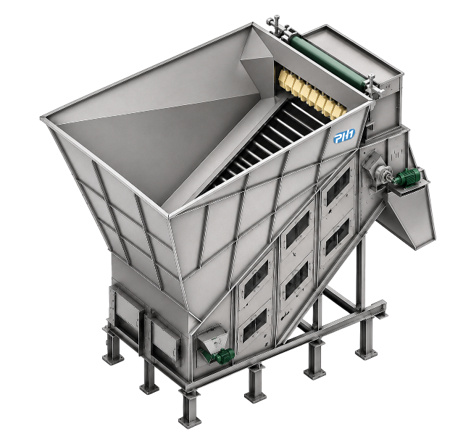
PH1 Ship Loading & Unloading Systems are engineered for the efficient transfer of bulk materials between marine vessels and port, storage, and processing facilities. Designed for high-capacity and continuous operation, the systems enable rapid vessel loading and unloading with controlled material flow, reduced dust emissions, and seamless integration with conveyors, silos, transfer towers, and other terminal infrastructure. Each system is custom-engineered to suit vessel configuration, material characteristics, berth layout, and required throughput.

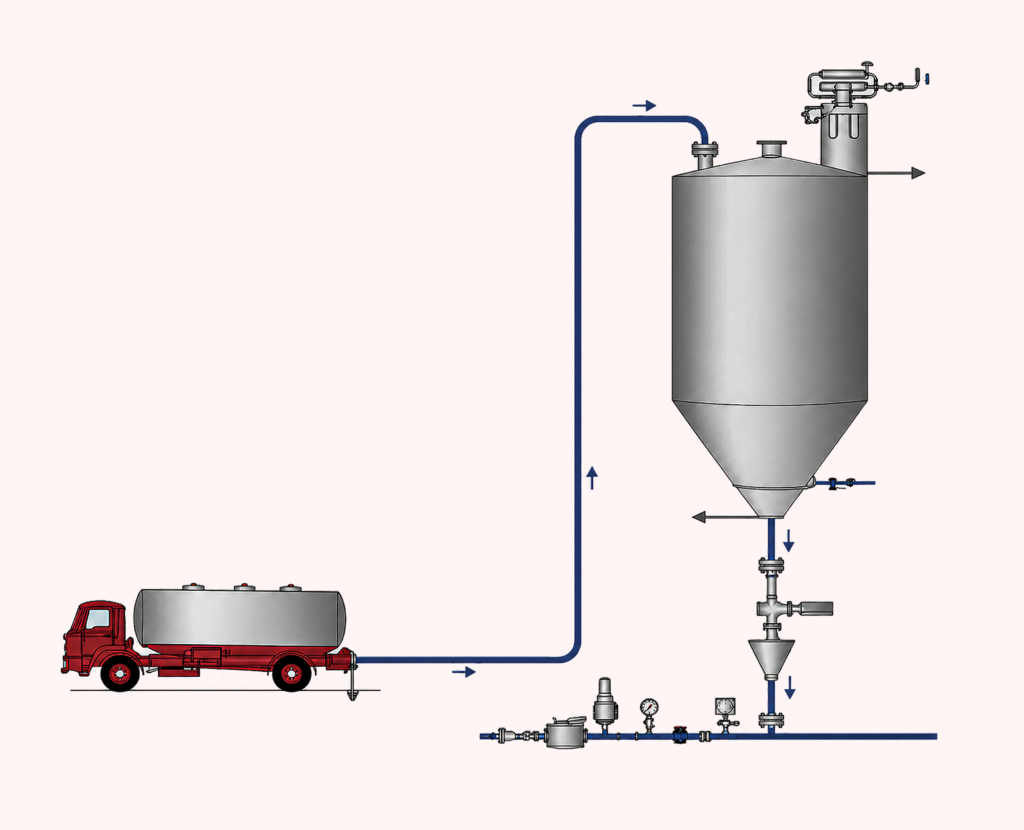
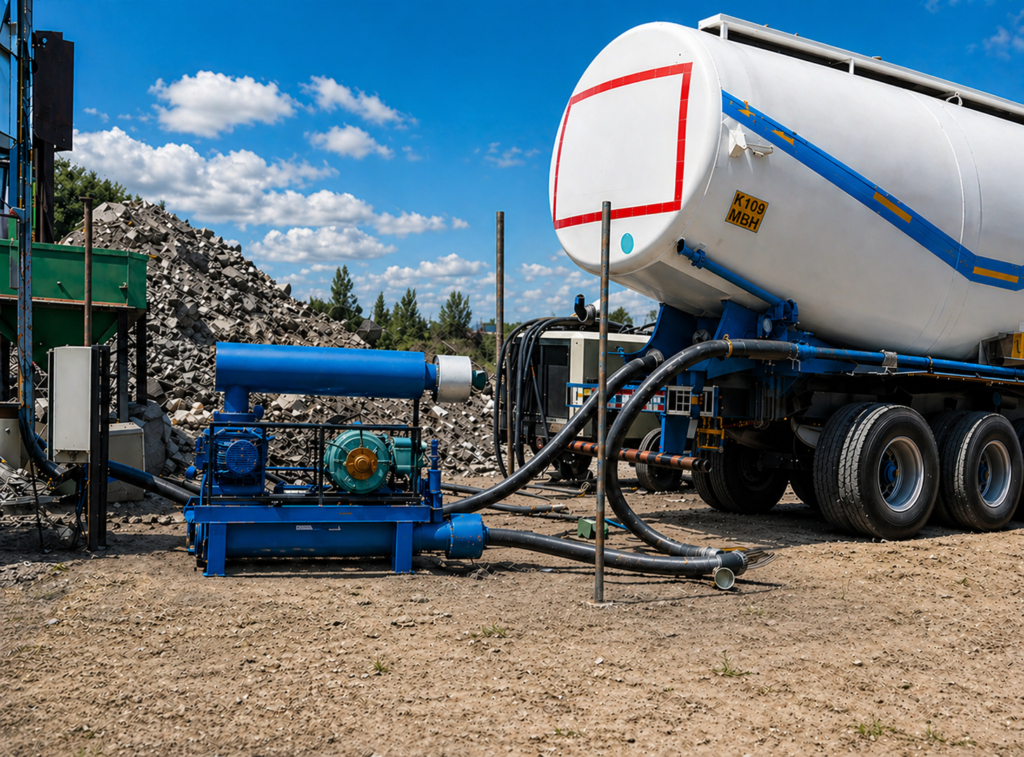
PH1 Bulker Unloading Systems are engineered for the safe and efficient transfer of bulk powders from road tankers and bulkers into storage silos or process bins. Designed for high unloading rates and clean operation, the system ensures reliable material transfer while minimizing dust emissions, product losses, and operator intervention.
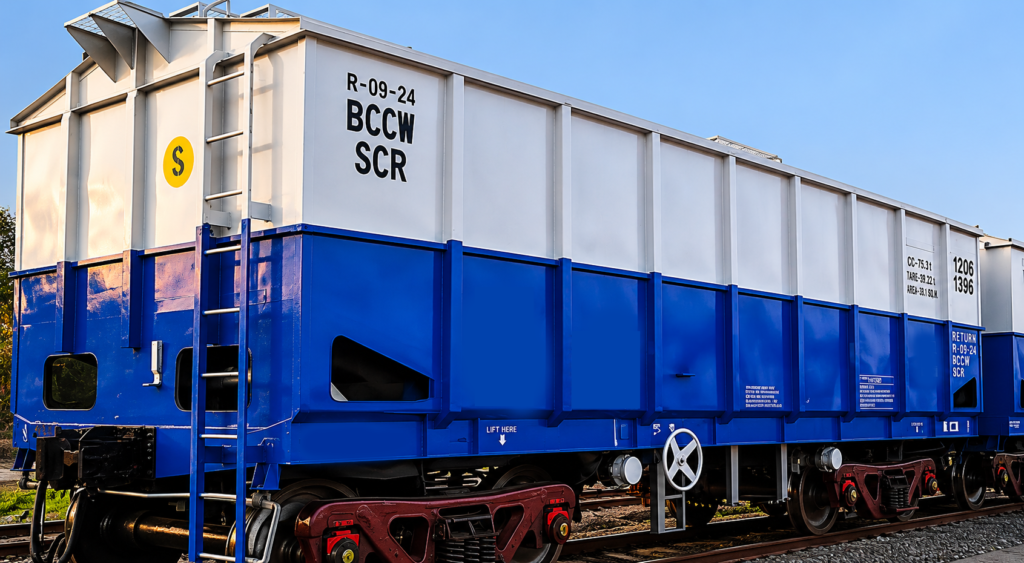
PH1 BCFC Wagon Loading & Unloading Systems are engineered for the rapid and efficient loading & unloading of bulk materials from bottom and side discharge railway wagons. Designed for high-capacity operations, the system ensures smooth material discharge, minimal spillage, and seamless integration with downstream conveying systems for continuous plant operation.
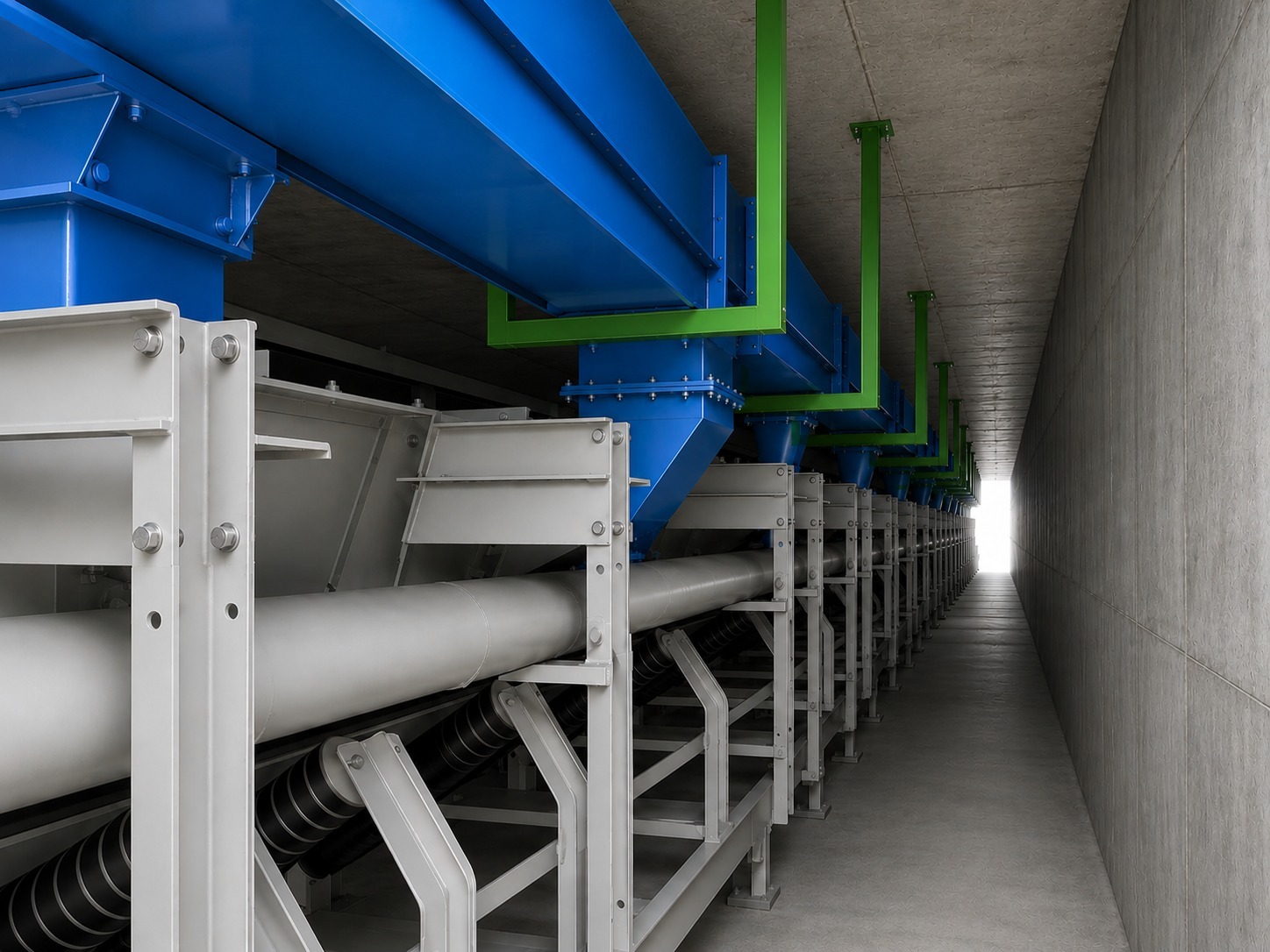
PH1 Tunnel Dedusting Systems are engineered to maintain clean, safe, and dust-free conditions within enclosed conveyor tunnels and material transport corridors. Designed for continuous industrial operation, these systems efficiently extract airborne dust while maintaining balanced airflow, improving workplace safety, and ensuring reliable operation of long-distance conveying systems.
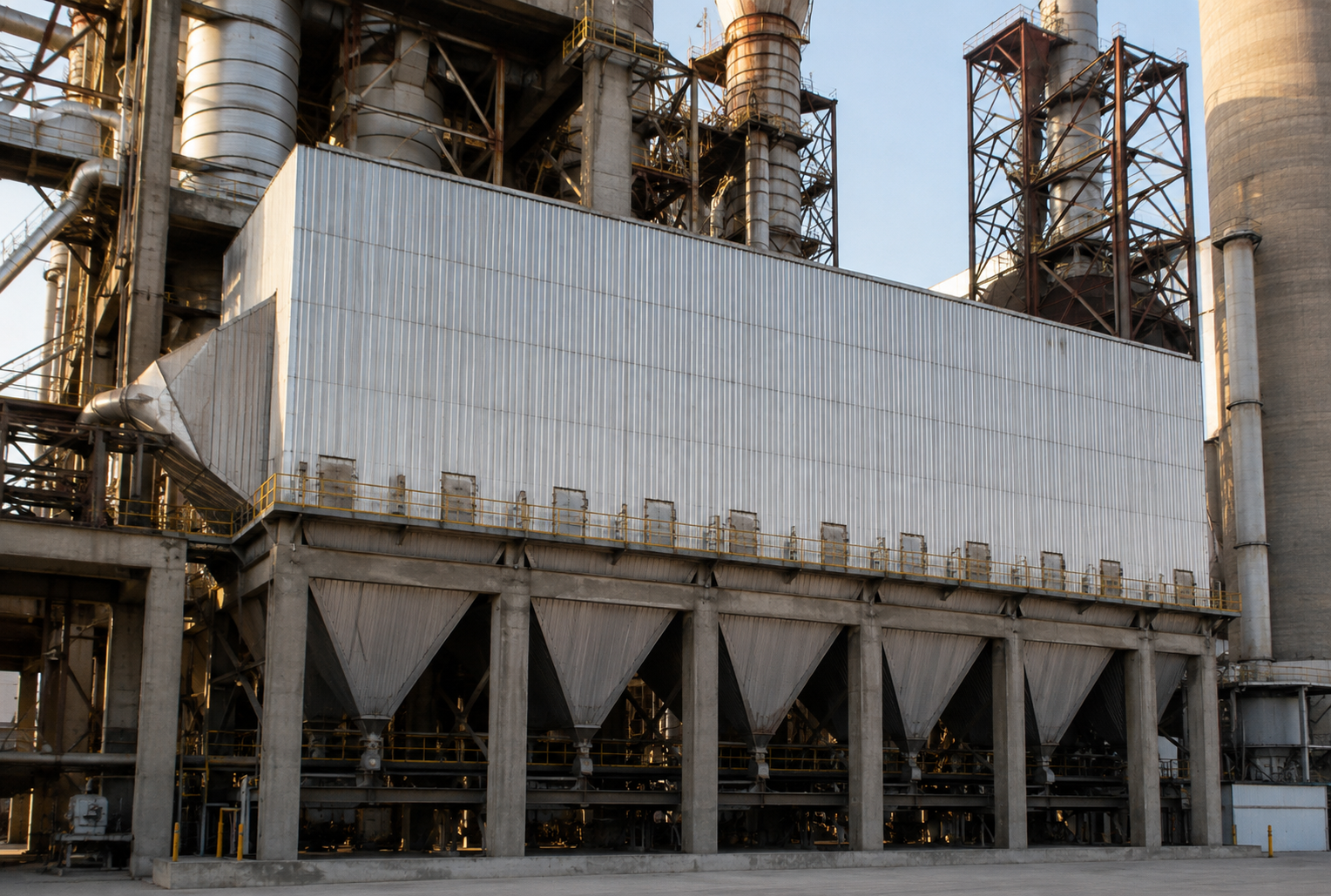
PH1 Bag Filters are engineered to provide efficient particulate filtration across a wide range of industrial processes. Designed for continuous operation and high dust collection efficiency, they ensure clean air discharge, improved workplace safety, and compliance with stringent environmental standards while maintaining reliable process performance.
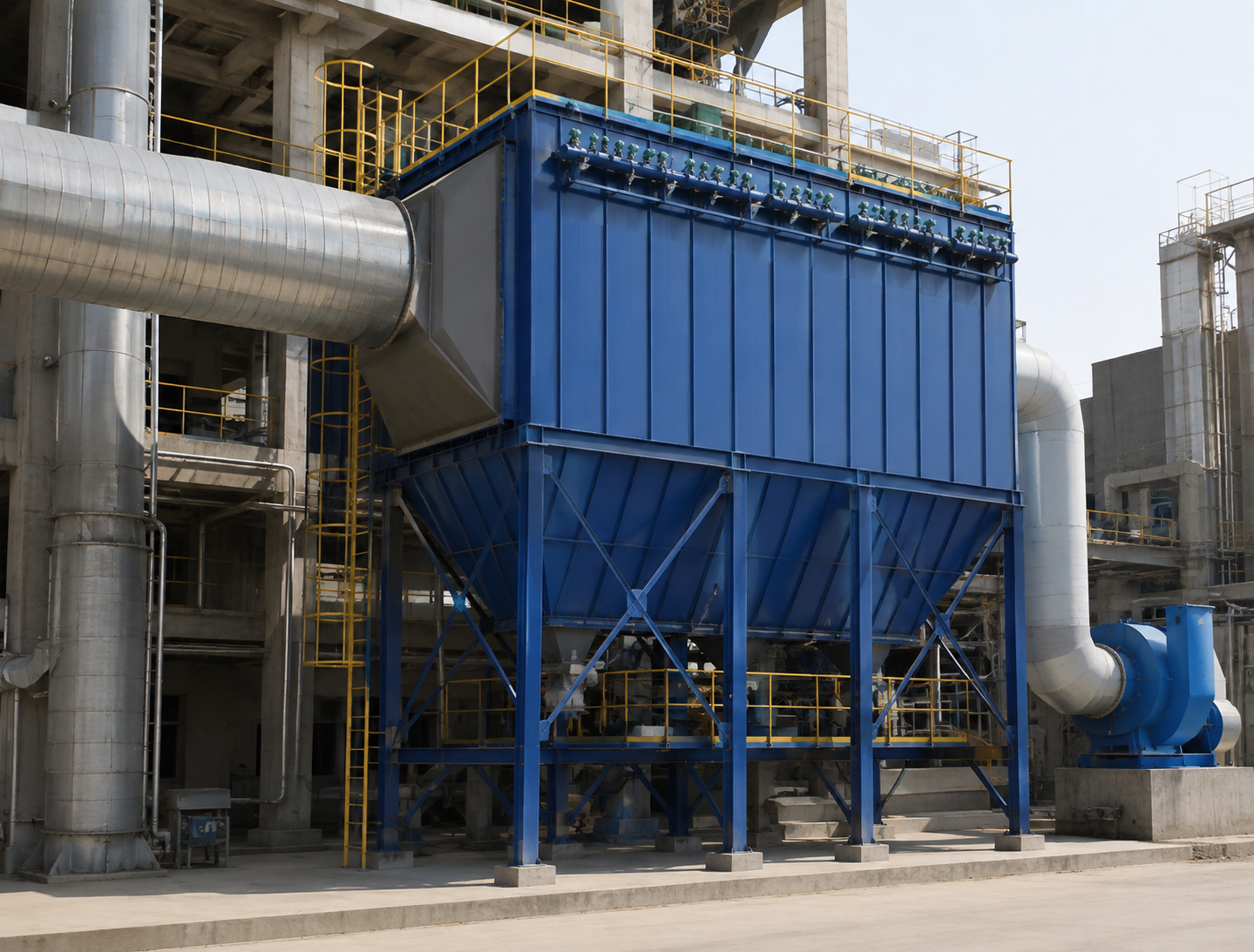
PH1 Reverse Air Bag Houses are engineered to deliver efficient dust collection in high-volume industrial applications. Utilizing a reverse airflow cleaning mechanism, the system continuously removes accumulated dust from filter bags, ensuring consistent filtration performance, stable airflow, and reliable operation under demanding process conditions.
PH1 Grinding Aid Injection Systems are engineered to deliver accurate and consistent dosing of liquid grinding aids into cement grinding circuits. Designed to improve mill efficiency, reduce energy consumption, and enhance cement quality, the system ensures reliable additive injection with seamless integration into existing plant operations.
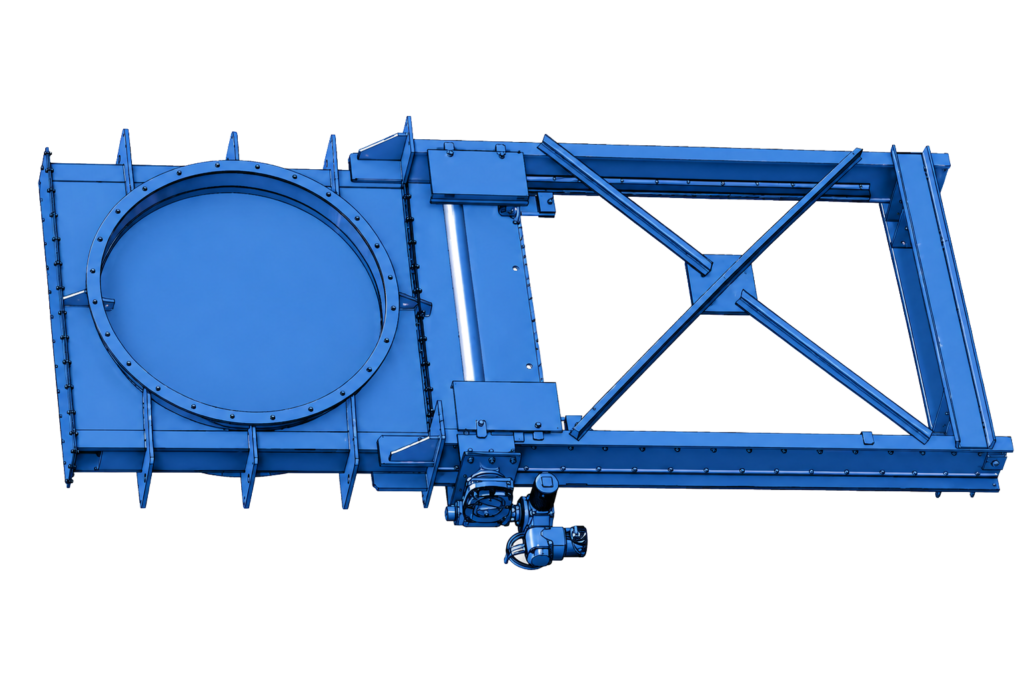
PH1 Guillotine Dampers are engineered to provide positive isolation of air and gas streams in large process ducts carrying dust-laden or high-temperature gases. Designed for maximum sealing performance and operational safety, they offer reliable shutoff for critical process isolation and emergency applications in demanding industrial environments.
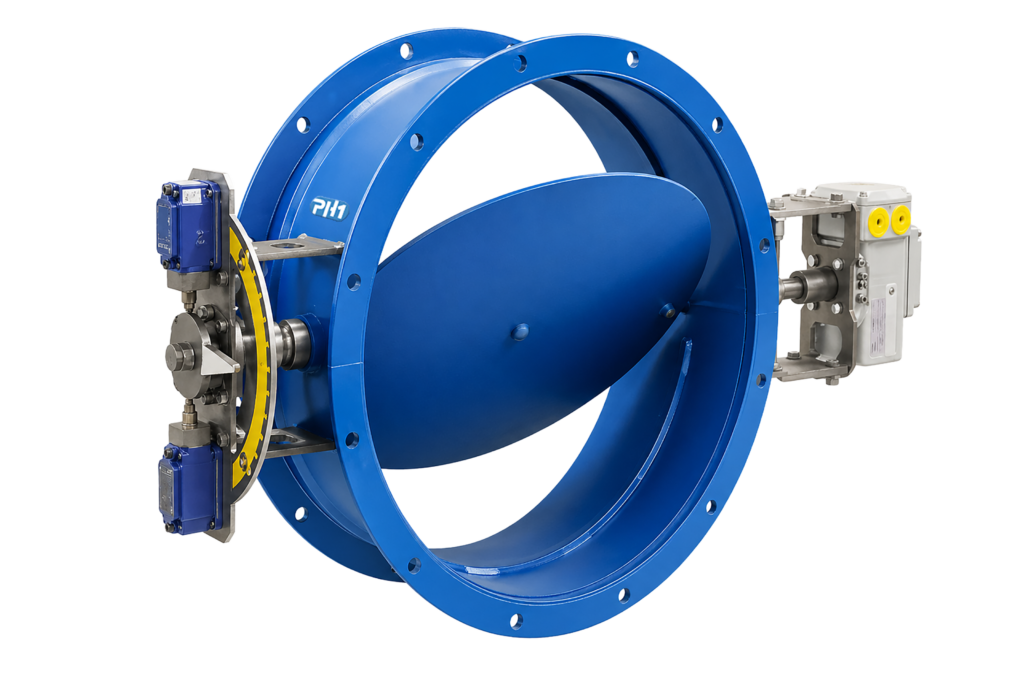
PH1 Butterfly Dampers are engineered for quick and reliable isolation of air and gas streams in industrial process systems. Featuring a compact rotating disc design, they provide rapid operation, low pressure loss, and dependable performance in high-temperature and medium-pressure applications.
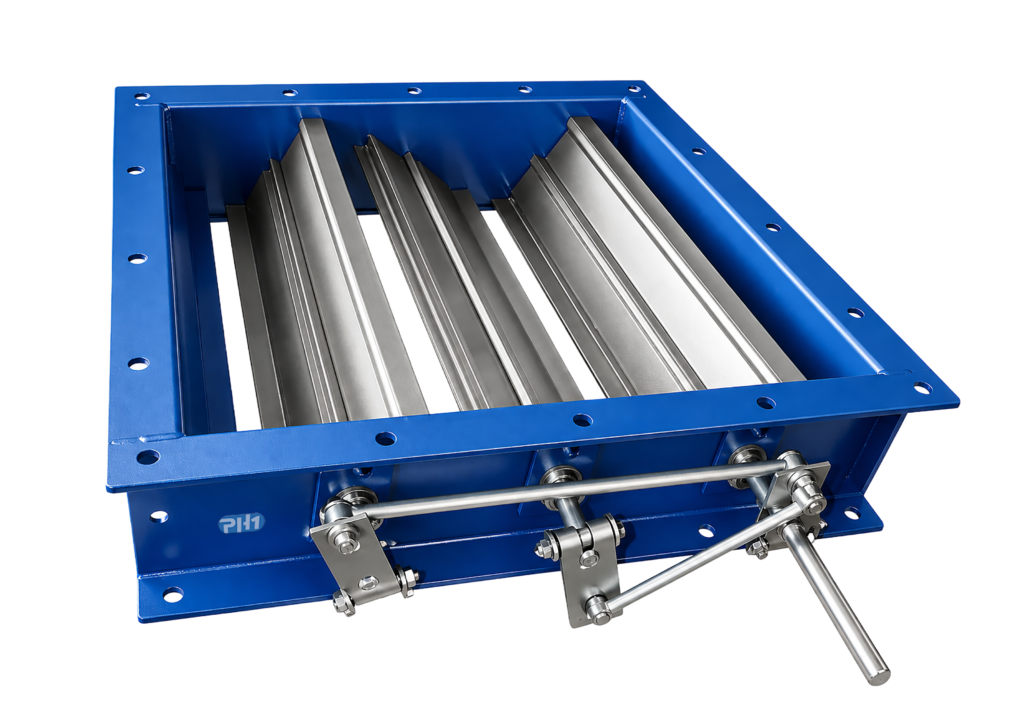
PH1 Multilouver Dampers are engineered to provide precise airflow regulation and reliable isolation in large ventilation and process air handling systems. Featuring multiple adjustable louvers and high sealing efficiency, they ensure uniform air distribution, optimized process control, and dependable performance in demanding industrial environments.
PH1 Rod Gates are engineered to regulate material size before it enters downstream equipment, ensuring controlled feeding and protecting critical process machinery from oversized materials. With a simple yet robust mechanical design, they provide a dependable solution for heavy-duty bulk material handling applications.
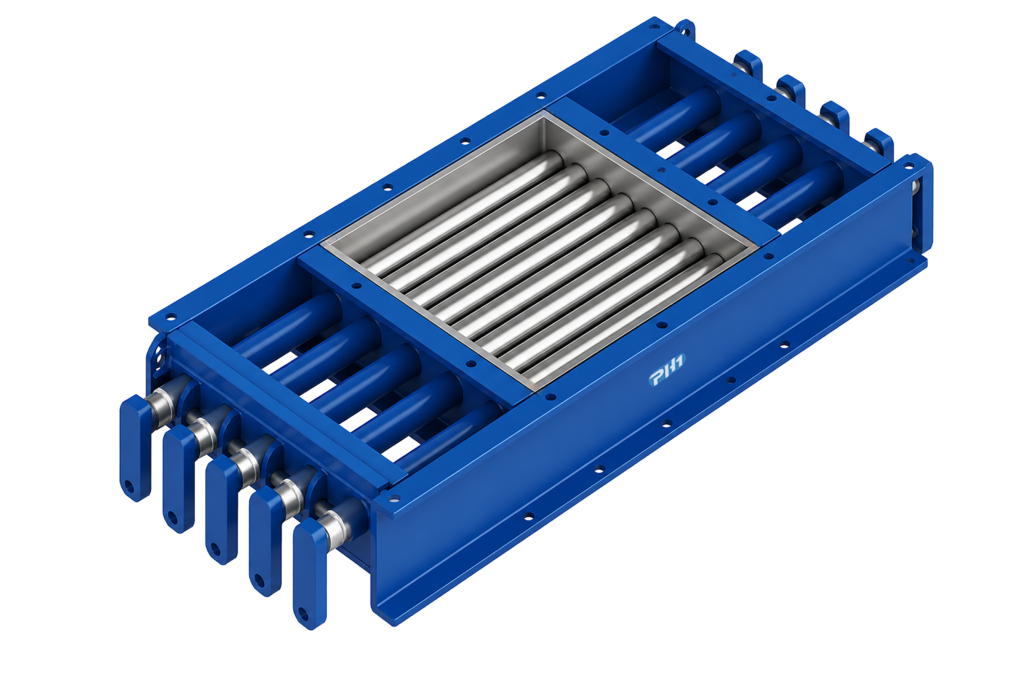
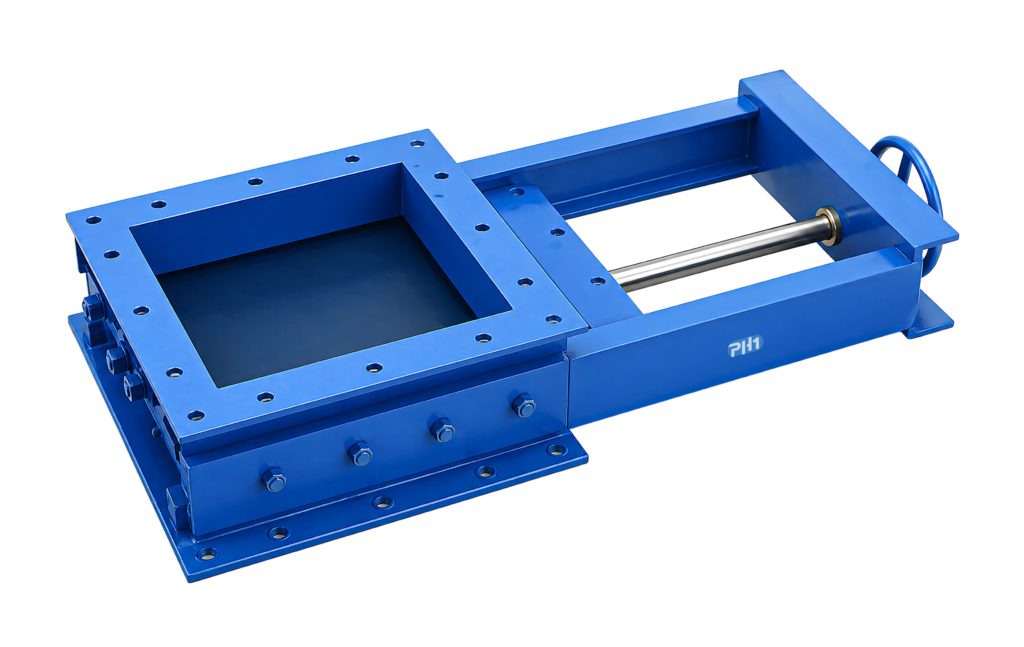
PH1 Divertor Gates are engineered to accurately redirect bulk materials between multiple conveying lines while ensuring high sealing efficiency and dependable operation. Designed for abrasive materials and high-temperature applications, they provide smooth material routing with minimal leakage, making them ideal for demanding industrial material handling systems.
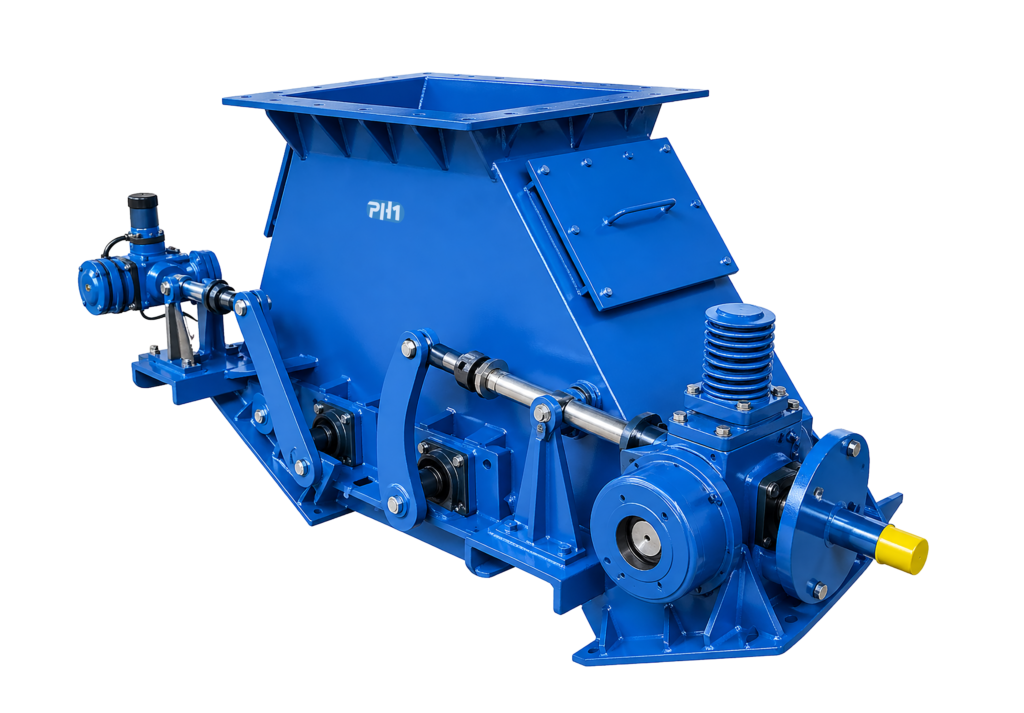
The PH1 Dosing Valve is a critical flow-regulating component used in silo extraction and bulk material discharge systems. Designed for controlled, uniform material flow, it ensures accurate dosing of fine and dusty bulk solids such as cement dust, clinker dust, quick lime, and gypsum — making it indispensable in cement plants and industrial bulk handling applications.
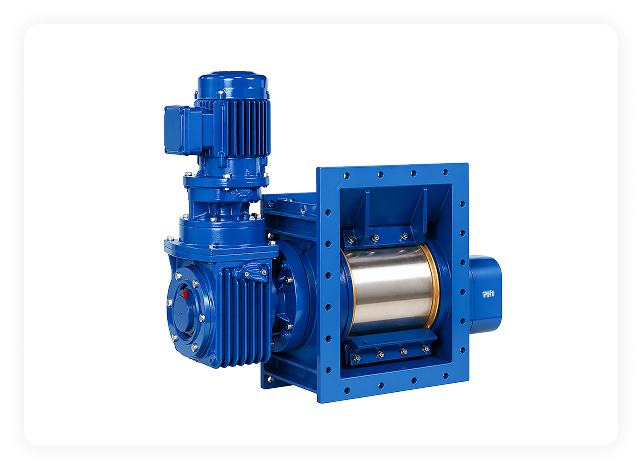
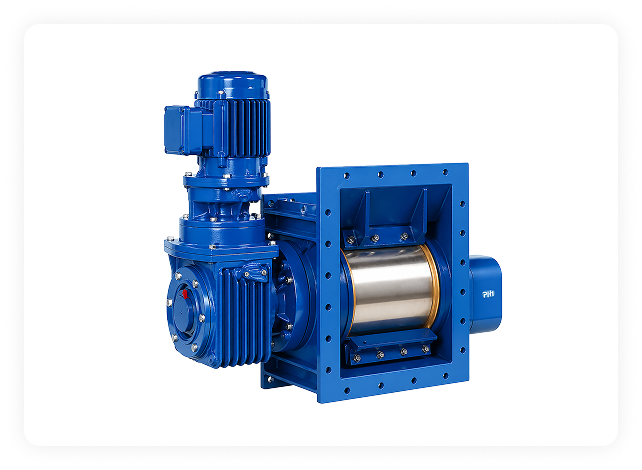
PH1 Dense Phase Pneumatic Conveying Systems are engineered for the efficient transportation of abrasive, fragile, and high-density bulk materials using low-velocity, high-pressure conveying technology. Designed to minimize material degradation and pipeline wear, these systems deliver reliable, dust-free conveying over long distances in demanding industrial environments.
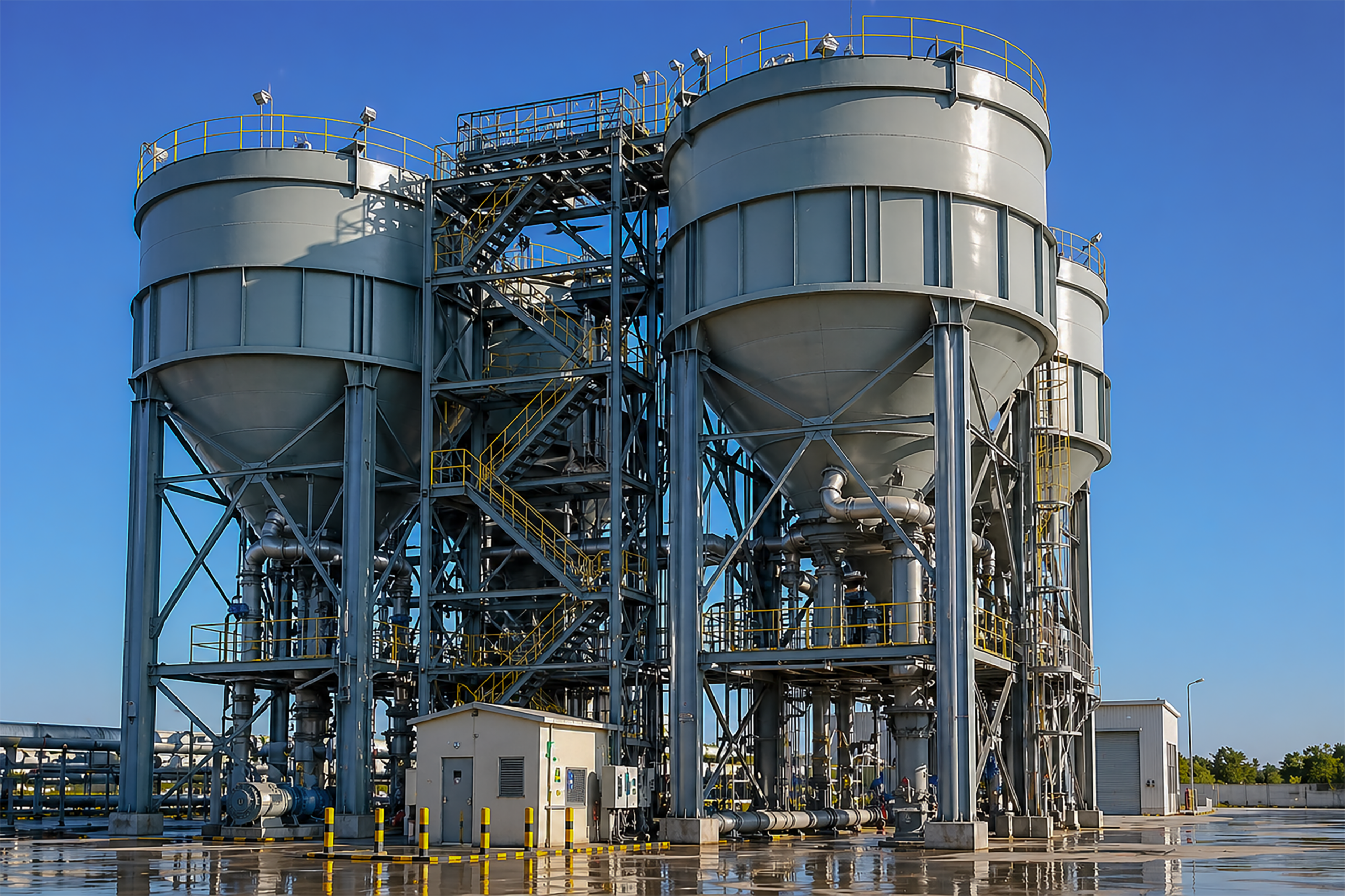
PH1 Lean Phase Pneumatic Conveying Systems provide an efficient and enclosed solution for transporting powders and granules over long distances using air as the conveying medium. Designed for continuous operation, these systems offer flexible routing, minimal material loss, and reliable performance across a wide range of industrial applications.
Lean Phase Vacuum Conveying systems are used for dust-free, low-pressure transport of fine to medium bulk materials across multiple industries including cement, mining, power, chemicals, food-grade minerals, and general manufacturing. These systems are ideal where multiple pickup points, flexible routing, negative-pressure safety, and clean plant environments are required.
Materials commonly handled include cement, fly ash, raw meal, limestone powder, additives, minerals, grains, and similar dry bulk solids.
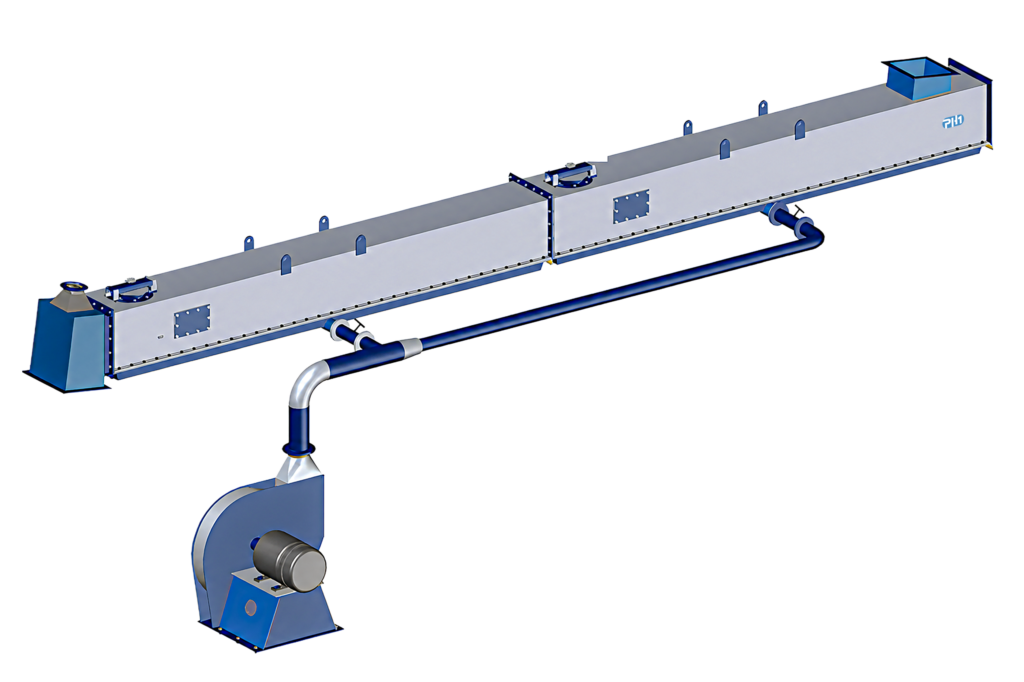
PH1 Apron Conveyors are engineered for the reliable transportation of hot, abrasive, and heavy bulk materials in the most demanding industrial environments. Designed with robust steel pans and heavy-duty chain assemblies, they deliver dependable performance under high-impact loading conditions where conventional conveying systems are unsuitable.
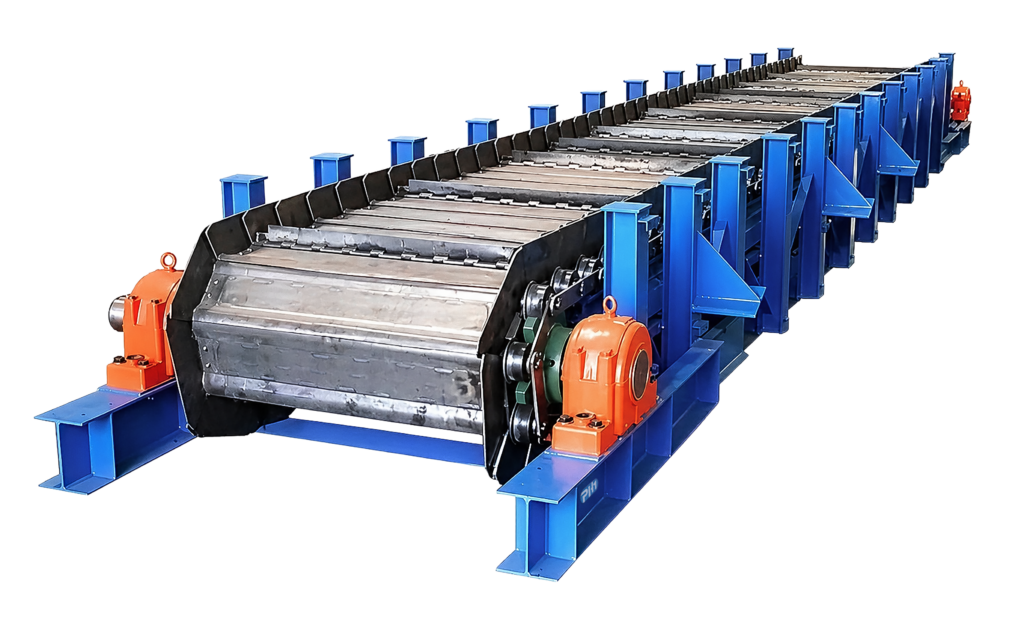
PH1 Chain Conveyors are engineered for the reliable transportation of heavy, coarse, abrasive, and irregular bulk materials in demanding industrial environments. Built for low-speed, high-torque operation, they ensure dependable material movement with exceptional durability, making them ideal for applications where conventional conveying systems may be unsuitable.
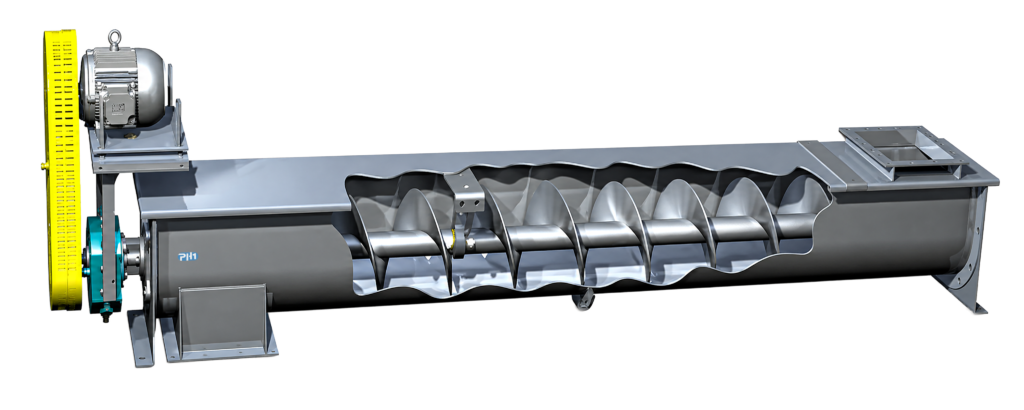
PH1 Screw Conveyors are engineered for the efficient transport of bulk materials over short distances where controlled, enclosed conveying is essential. Designed for powders, granules, and challenging alternative fuels, they provide reliable material movement while ensuring precise feeding, minimal spillage, and efficient use of plant space.
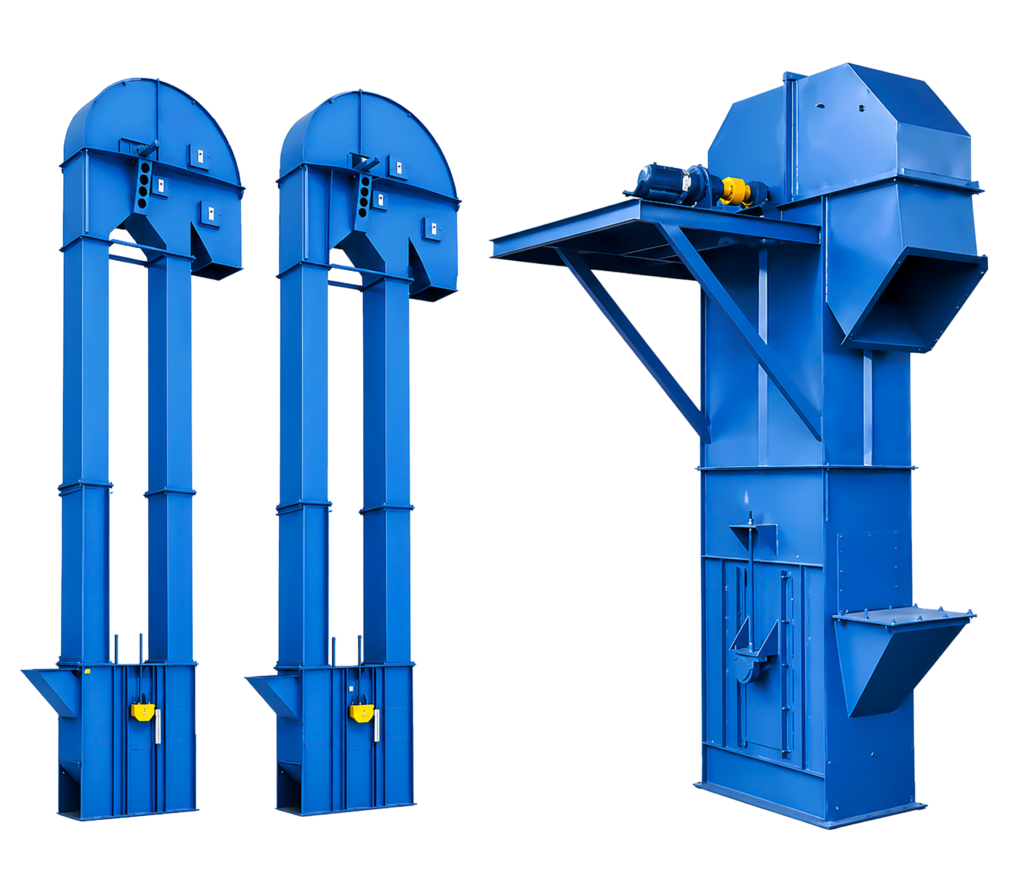
Bucket Elevators are the most efficient and space-saving solution for vertical or steep inclined transport of bulk materials in cement plants, waste-to-energy facilities, mining operations, and industrial manufacturing units. Designed to lift materials reliably from lower elevations to higher process points, PH1 Industries Bucket Elevators ensure continuous, dust-free, and high-capacity material movement where floor space is limited.
Ideal for handling coal, lime stone, Coke, RDF, biomass, clinker, aggregates, cement, ash, and industrial bulk solids, bucket elevators play a critical role in modern bulk material handling systems.


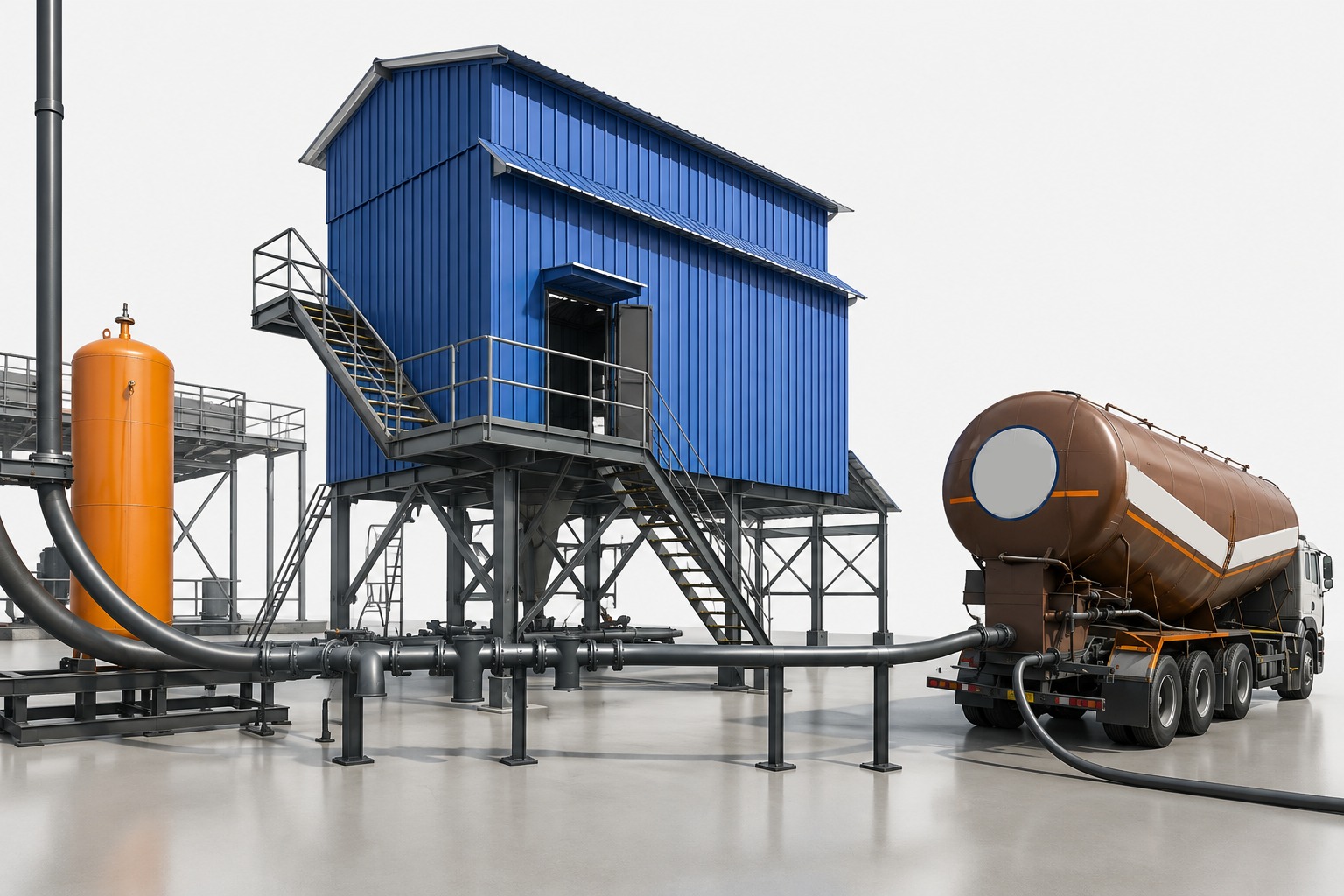
Bulker Unloading systems are designed to unload carbon black from bulk transporters or bulk containers (bulkers). This system is optimized for high-capacity, cost-effective operations, making it a preferred choice for large-scale plants or facilities that need to handle large quantities of carbon black.
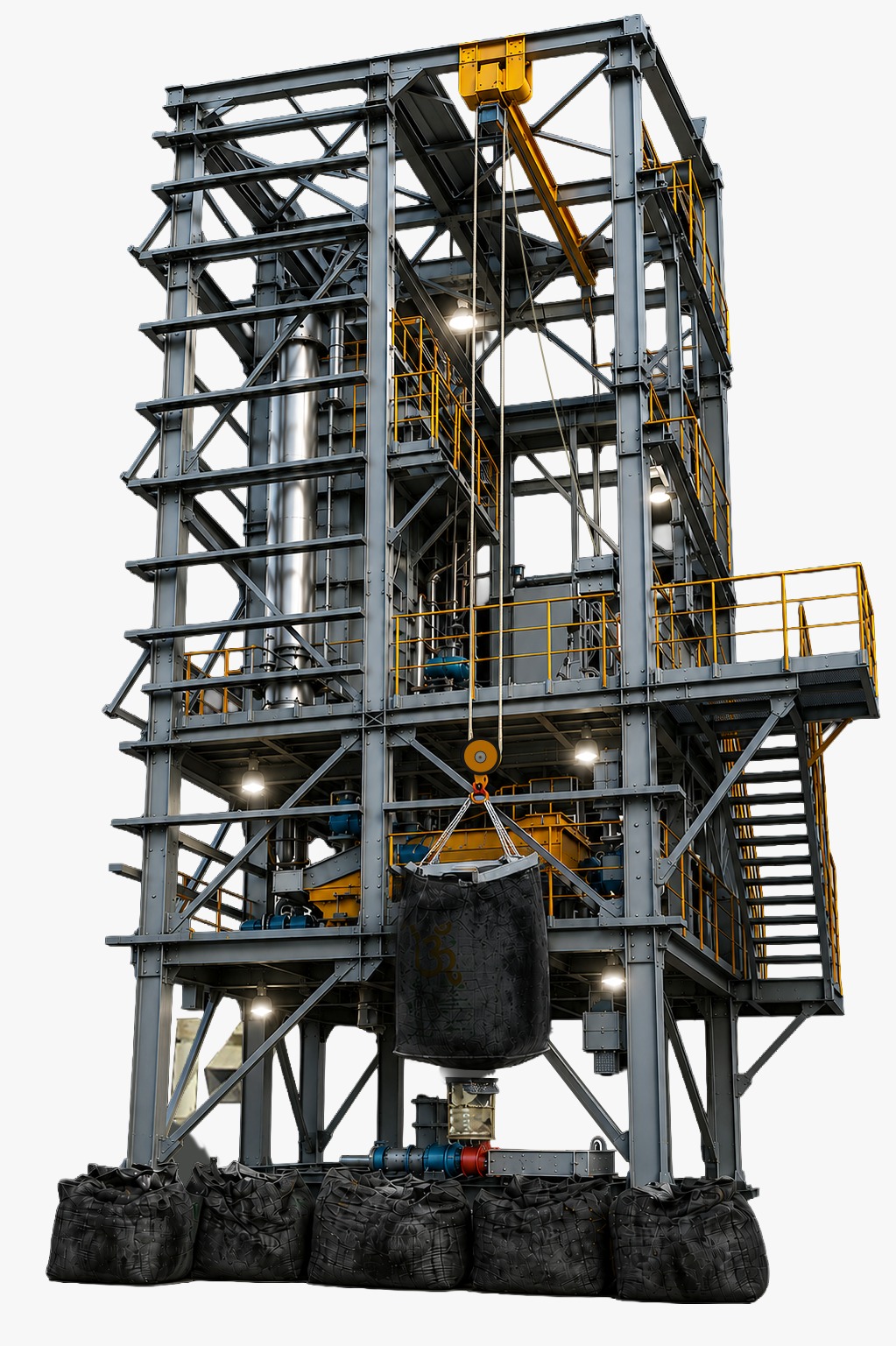
Jumbo Bag Unloading systems are designed to handle large quantities of carbon black that come in bulk bags (or jumbo bags). These systems offer a cost-effective and efficient solution for plants with limited space and those that require flexible handling options.
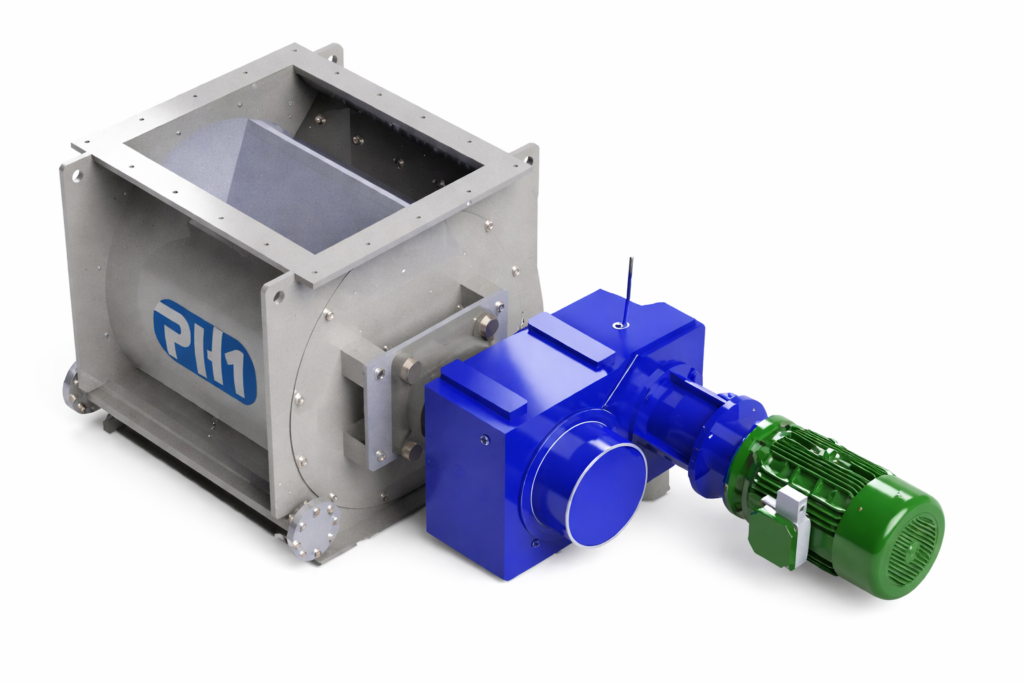
PH1’s Rotary Air Lock Valve is a flagship AFR feeding system designed for high feed rates, precise material flow, and superior sealing in cement plants and waste-to-energy (WTE) facilities. Engineered for durability, efficiency, and safety, it is ideal for handling RDF, biomass, and other alternative fuels in large-scale co-processing operations.
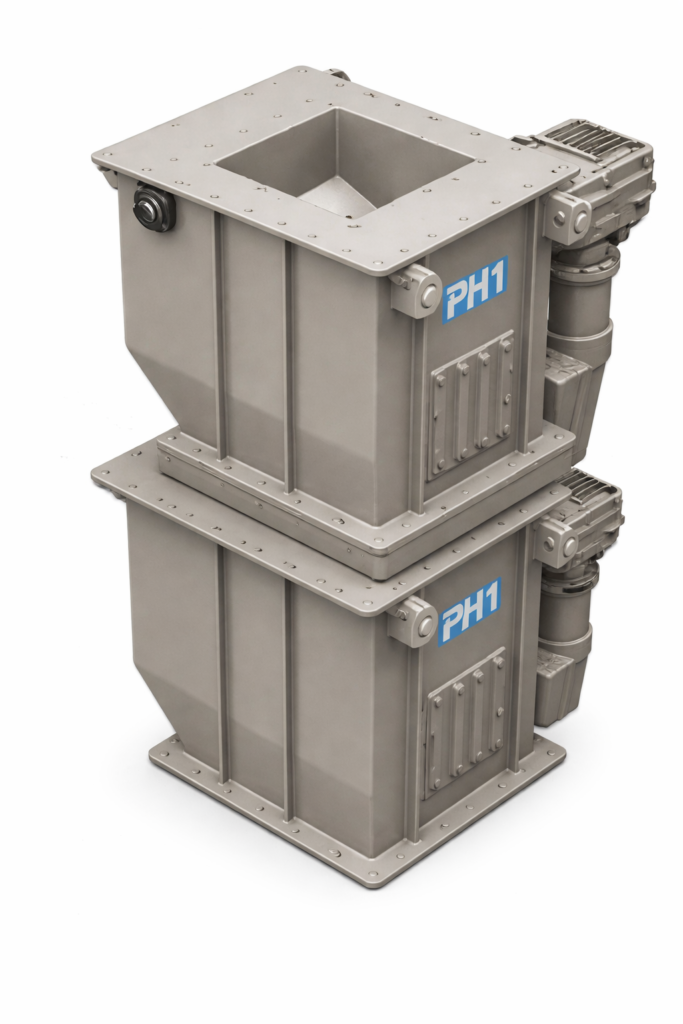
PH1’s Motorized Double Flapped Valve is a high-performance material handling valve designed for cement plants and WTE facilities to ensure precise, safe, and dust-free AFR feeding. Its robust construction, intelligent operation, and advanced sealing technology provide accurate dosing, air-tight operation, and continuous material flow, even in harsh industrial environments.
PH1’s Weigh Feeders are a critical component in solid AFR feeding and co-processing systems for cement plants and waste-to-energy (WTE) facilities, ensuring accurate, reliable, and continuous dosing of alternative fuels and raw materials (AFR). Designed with advanced PLC-based controls, these systems deliver precise weighing and feeding to optimize blending, reduce material losses, and enhance overall plant profitability.
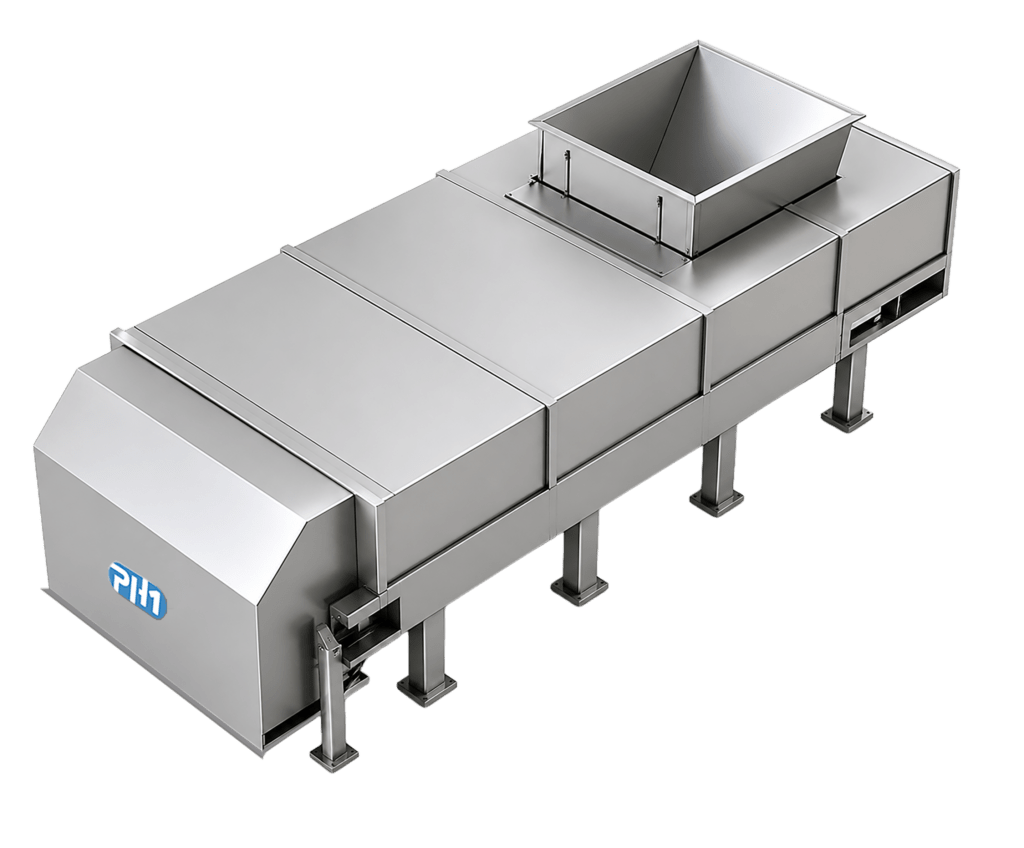
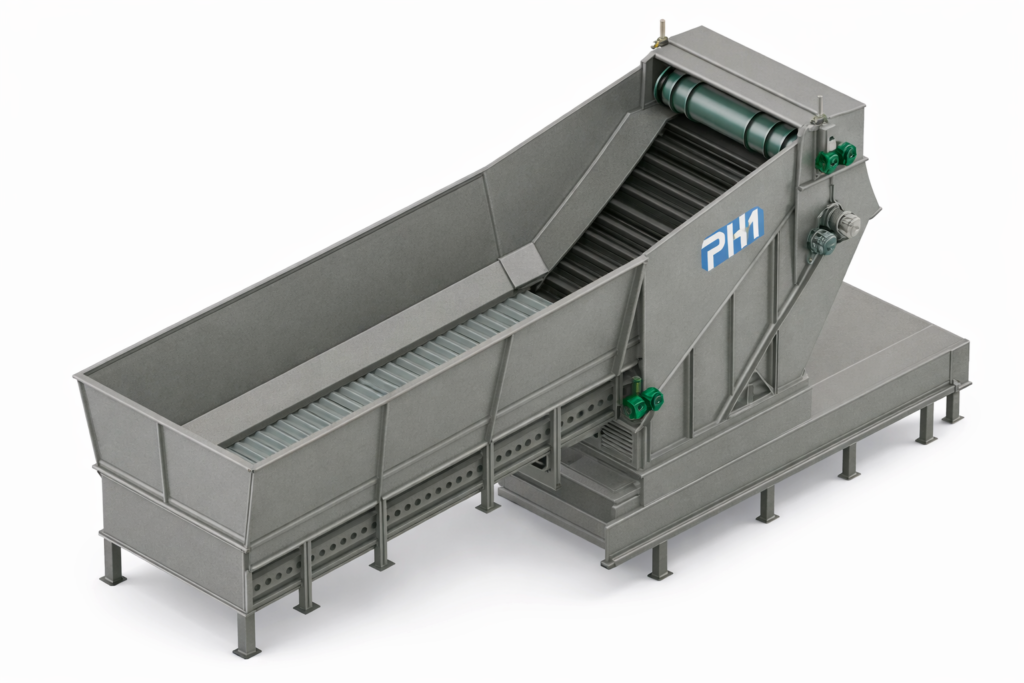
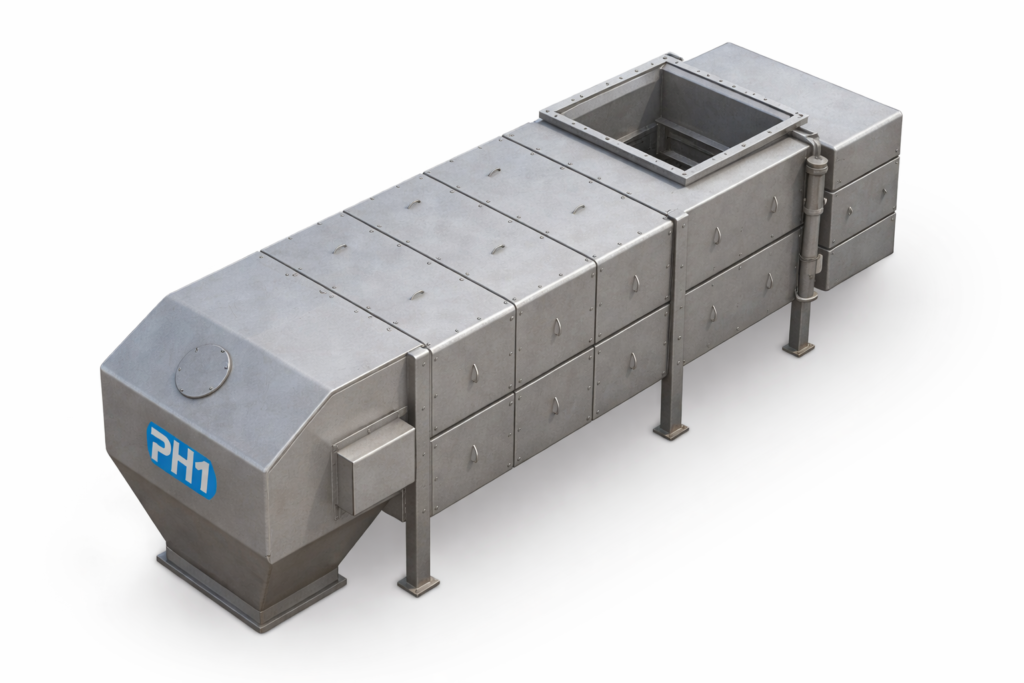
PH1’s Crown Feeder (AFR Splitter) is a specialized dosing and distribution system designed for accurate and continuous feeding of low-density, fluffy alternative fuels (AFR) into cement kiln calciners. Engineered to handle challenging materials such as biomass, plastics, and RDF, it ensures smooth material flow, precise dosing, and stable combustion performance.
A key advantage of the Crown Feeder is its ability to diversify RDF and AFR streams into two independent feed points, allowing optimized fuel distribution within the calciner or kiln system. This improves combustion stability, enhances thermal substitution rates, and increases overall process efficiency, supporting cement plants in achieving higher sustainability and alternative fuel utilization targets.
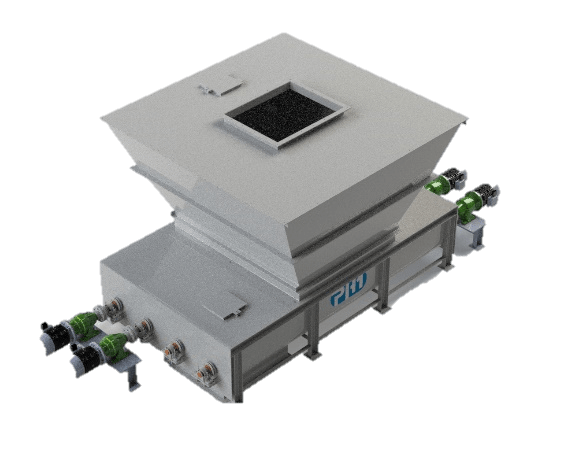
PH1’s Apron Feeder is a highly durable and efficient material feeding system, designed for cement plants and waste-to-energy (WTE) facilities operating in high-temperature, space-constrained, and challenging industrial environments. Ideal for feeding alternative fuels and raw materials (AFR) near calciner chutes, it ensures reliable, precise, and continuous material flow under extreme conditions.
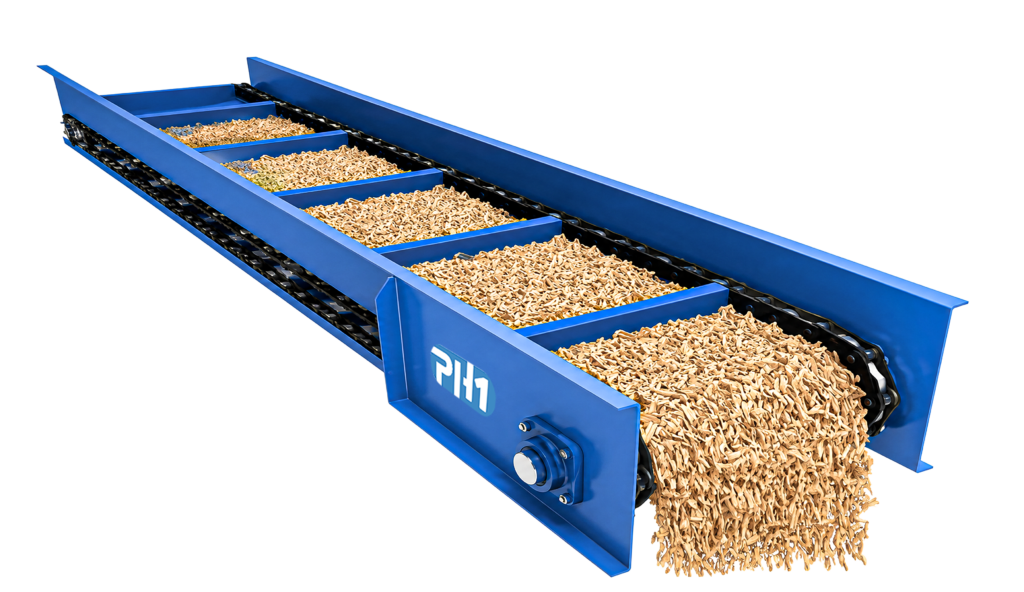
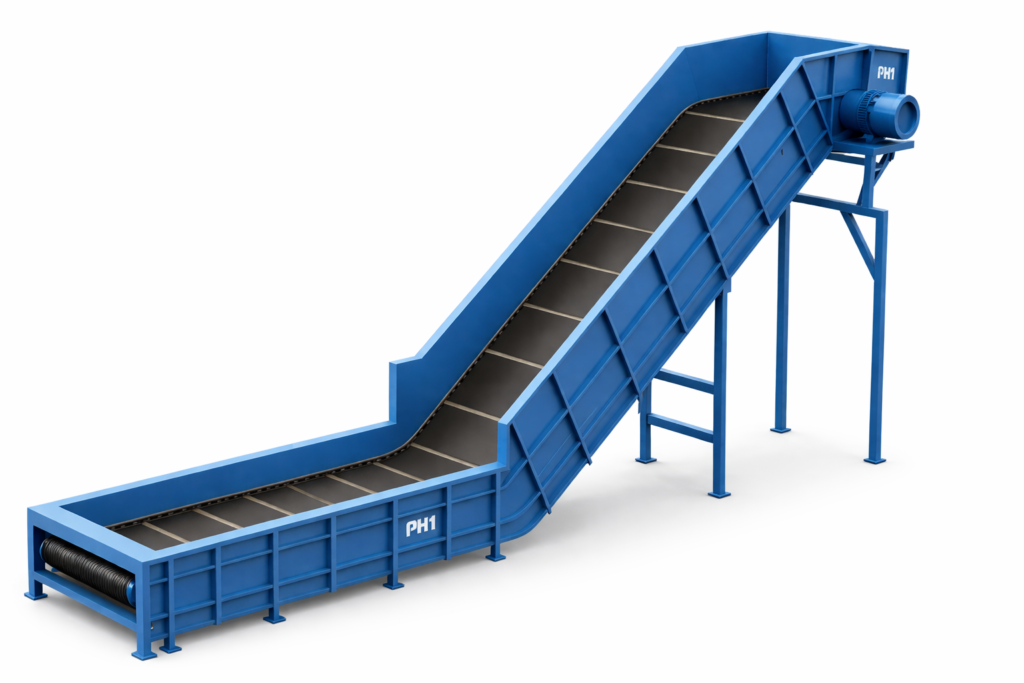
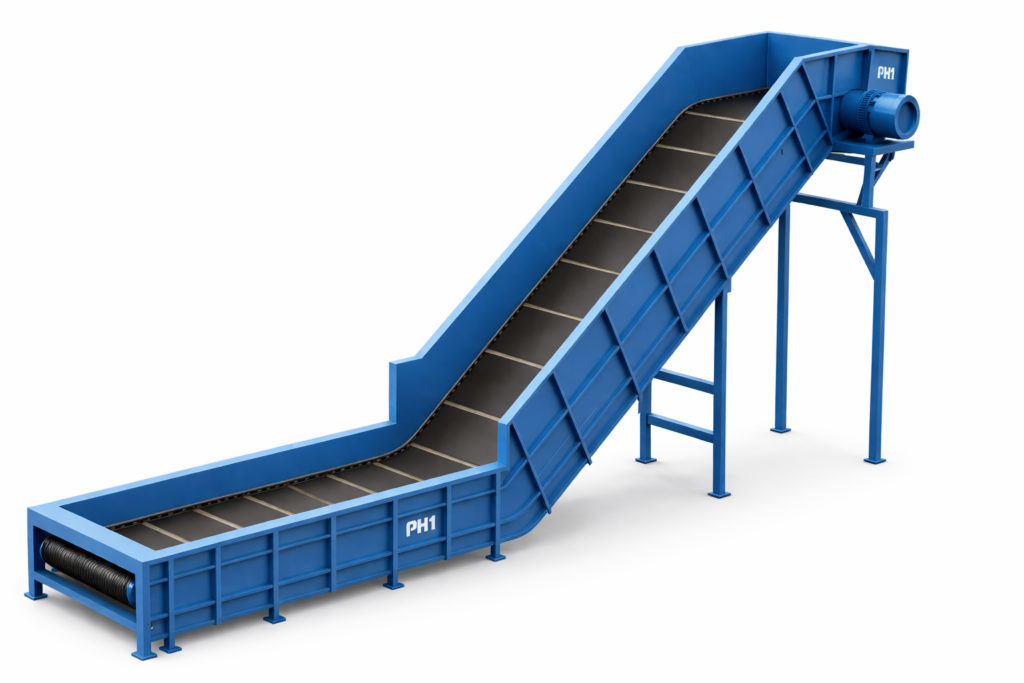
The Chain Belt Conveyor is a robust and high-capacity bulk material conveying solution designed for transporting Alternative Fuels and Raw Materials (AFR), RDF, biomass, industrial waste, ash, and other abrasive solid materials over short to medium distances. Widely used in cement plants, waste-to-energy facilities, and RDF processing systems, this conveyor utilizes a chain-driven mechanism to ensure reliable and controlled material transport even under heavy load conditions.
Built for durability, operational stability, and long service life, PH1’s Chain Belt Conveyors are engineered to handle coarse, irregular, and high-density waste fractions where conventional belt conveyors may face limitations.
PH1’s Air Assisted Belt Conveyor is an advanced solution for transporting AFR (Alternative Fuels and Raw Materials), cement raw materials, and fine powders with minimal friction and improved operational efficiency. Utilizing air cushion technology, this system delivers smoother material flow, reduced wear, energy savings, and enhanced reliability, making it ideal for cement plants and WTE facilities.
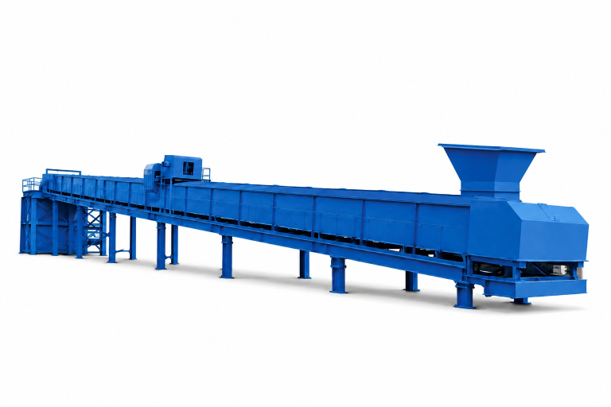
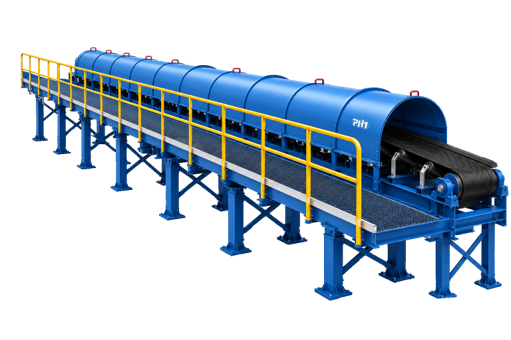
PH1’s Troughed Belt Conveyors are robust and versatile material handling systems designed for the continuous transport of AFR (Alternative Fuels and Raw Materials), cement raw materials, and other bulk solids across various distances and inclines. Ideal for cement plants and waste-to-energy (WTE) facilities, these conveyors ensure reliable, high-capacity material flow with minimal downtime.
PH1’s Solidose™ Extractor is a next-generation solid AFR extraction and dosing system, engineered for cement plants and waste-to-energy (WTE) facilities demanding high throughput, precise feeding, and operational flexibility. Built on an innovative hybrid concept, the Solidose Extractor simplifies co-processing by combining storage, extraction, and accurate dosing into a single, integrated solution.
PH1’s SlidingFloor™ Feeder is the flagship solution for high-capacity solid AFR extraction and co-processing, engineered for cement plants and waste-to-energy facilities requiring continuous, reliable material flow with large storage capacity.
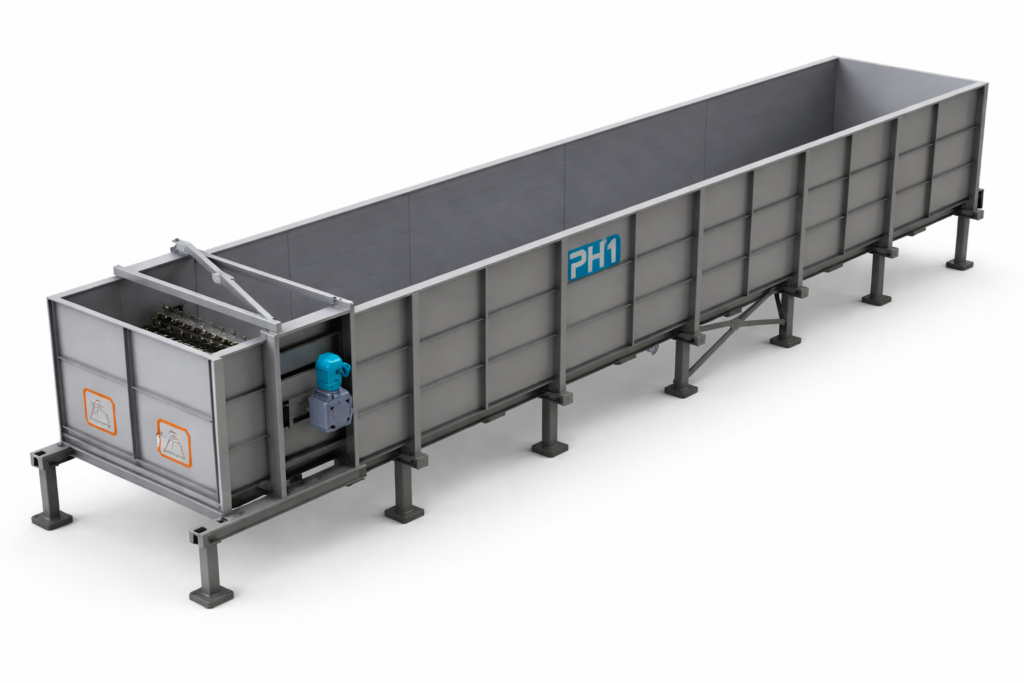
PH1’s Box Feeders are compact and efficient extraction systems designed for controlled feeding of solid alternative fuels and raw materials (AFR) into co-processing systems for cement plants and waste-to-energy facilities.
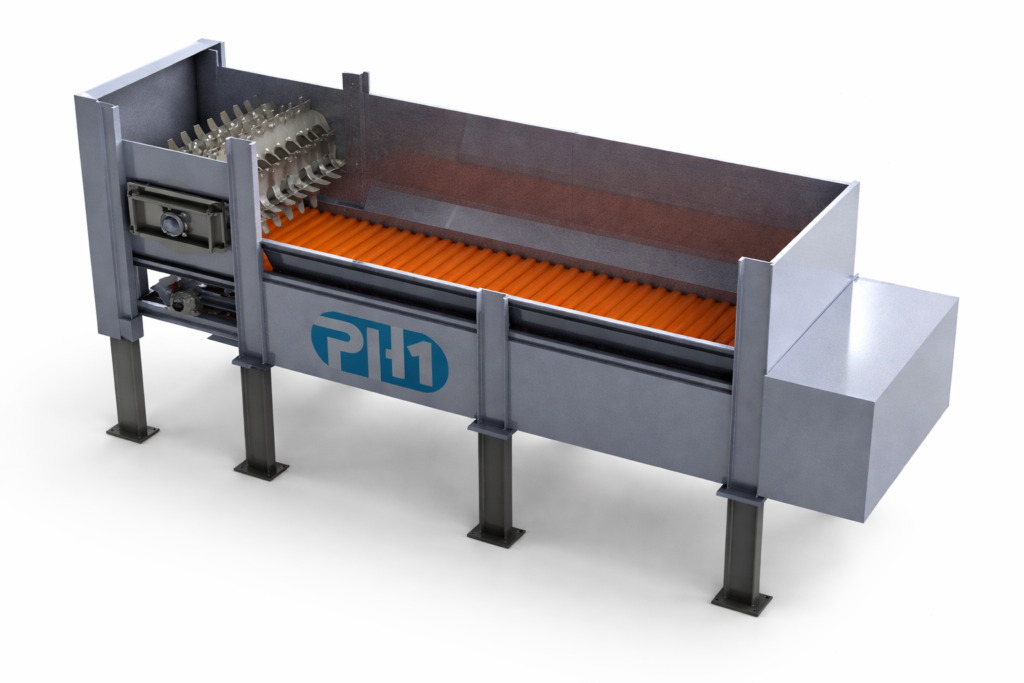
Air-based separators, commonly known as windshifters, are used in RDF and waste processing lines to effectively separate light combustible fractions from heavy inert materials. Designed for high-capacity operation and abrasive waste streams, these systems play a critical role in improving fuel quality and protecting downstream equipment.
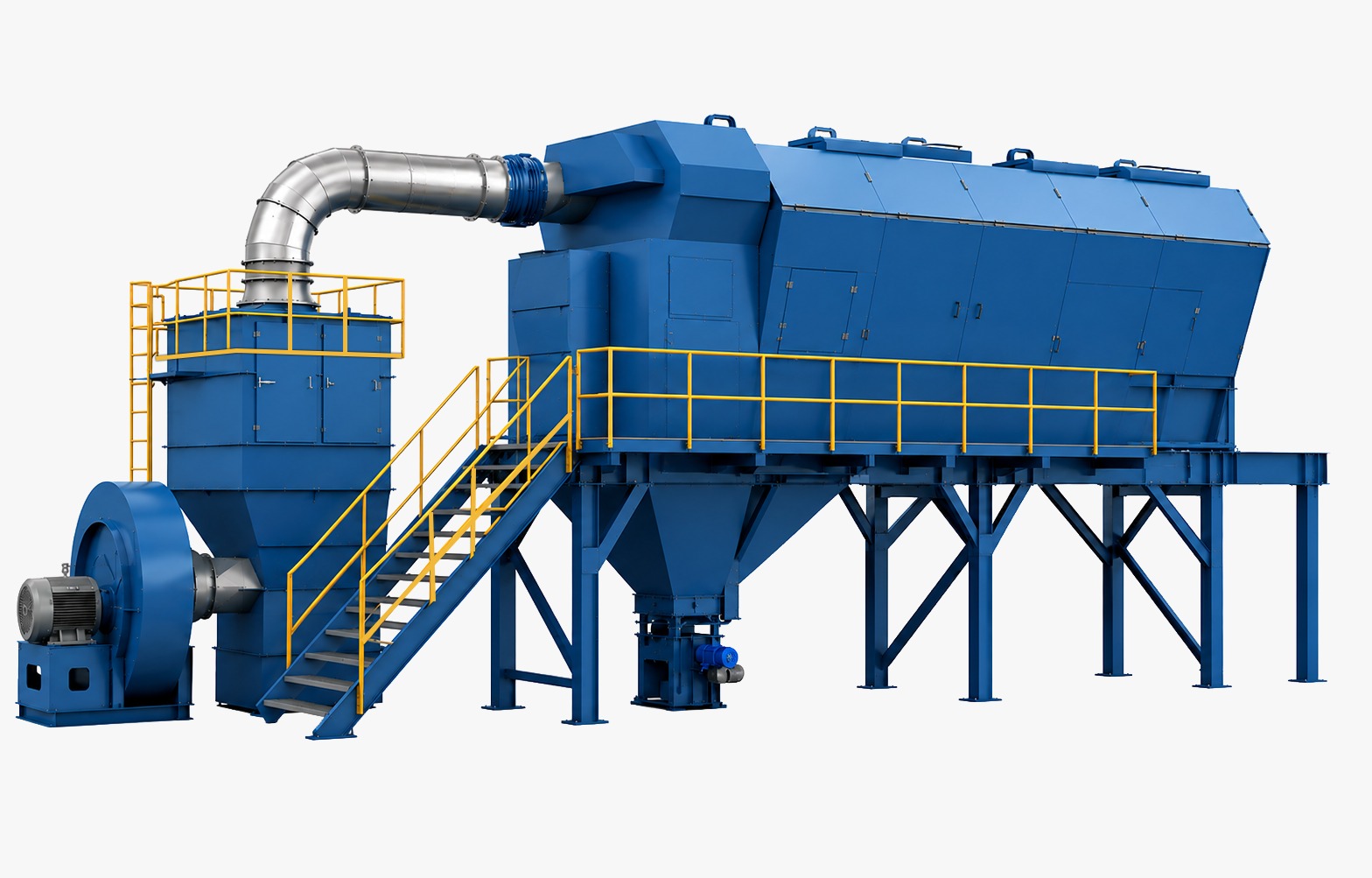
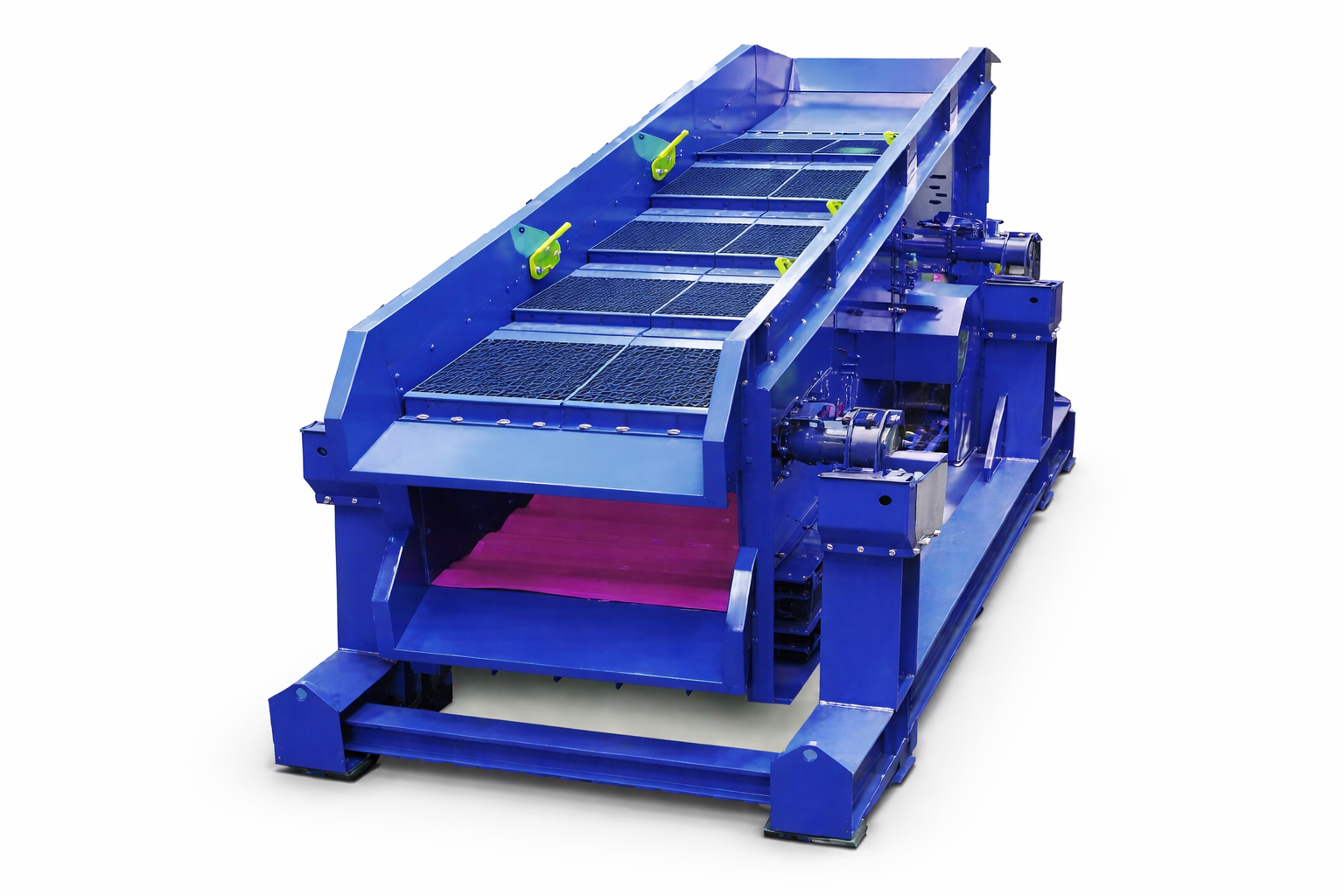
The Dynamic Screen is a versatile and energy-efficient sizing solution designed for high-throughput waste processing applications. It delivers accurate and consistent material separation across a wide range of waste streams, making it ideal for RDF production, recycling, and waste-to-energy systems.
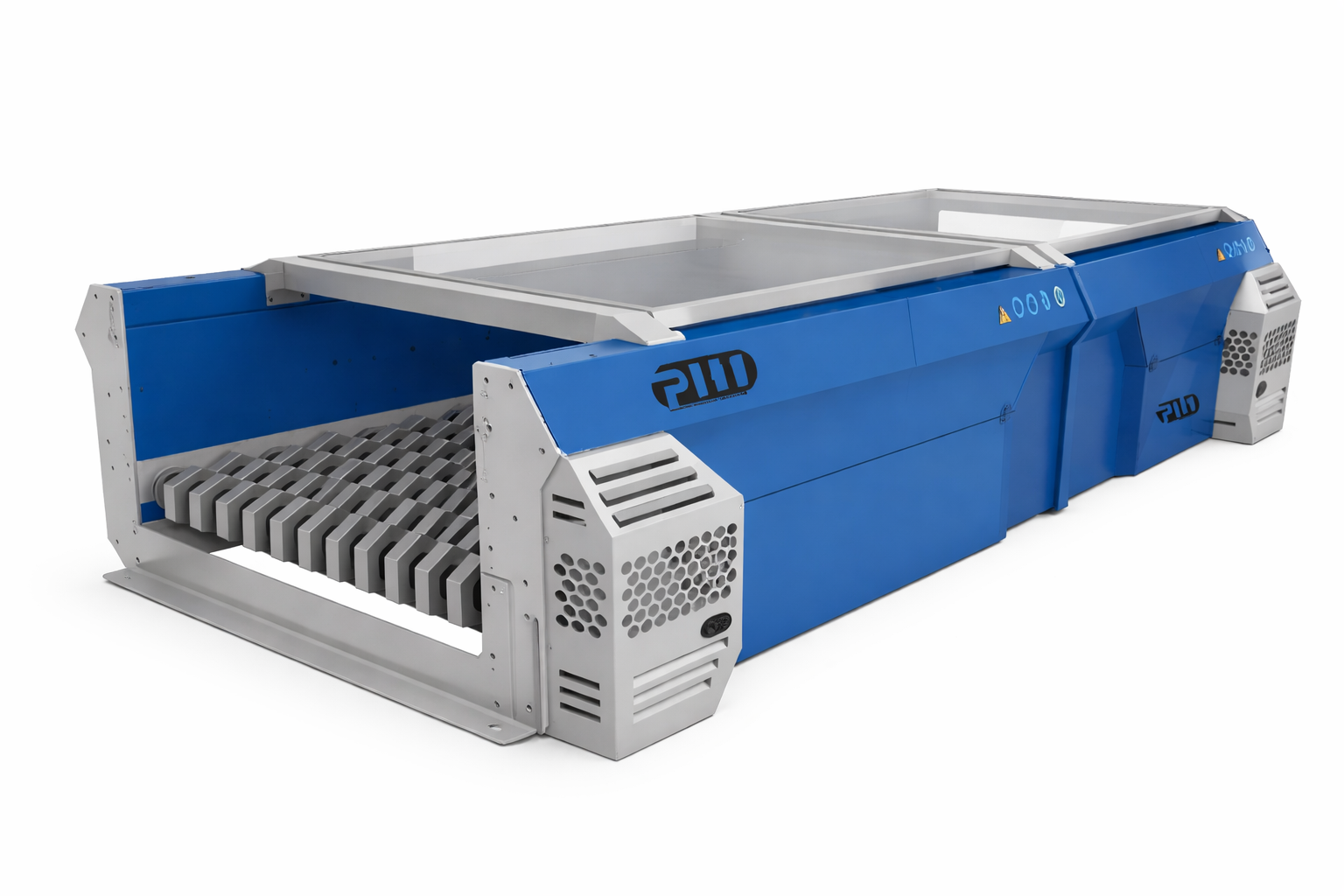
The Flip-Flop Combi Screen is engineered for reliable classification of difficult, sticky, wet, and heterogeneous materials commonly encountered in MSW, industrial waste, RDF, and biomass processing lines. By combining two screening technologies into a single machine, it delivers high separation efficiency while reducing plant complexity and footprint.